If you’ve been scrolling through Bali travel TikToks or Instagram reels lately, you’ve probably seen the same jaw-dropping scenes: bumper-to-bumper traffic in Canggu, mile-long queues for photos, and beaches packed shoulder-to-shoulder.
But here’s the twist: while Bali is undeniably busy, the real pressure cooker is happening just across the Badung Strait.
The real story of 2025 is the explosive rise in Nusa Penida tourist density. And yes, it’s as intense as it sounds.
The Nusa Penida tourist density has reached a level few expected so soon.
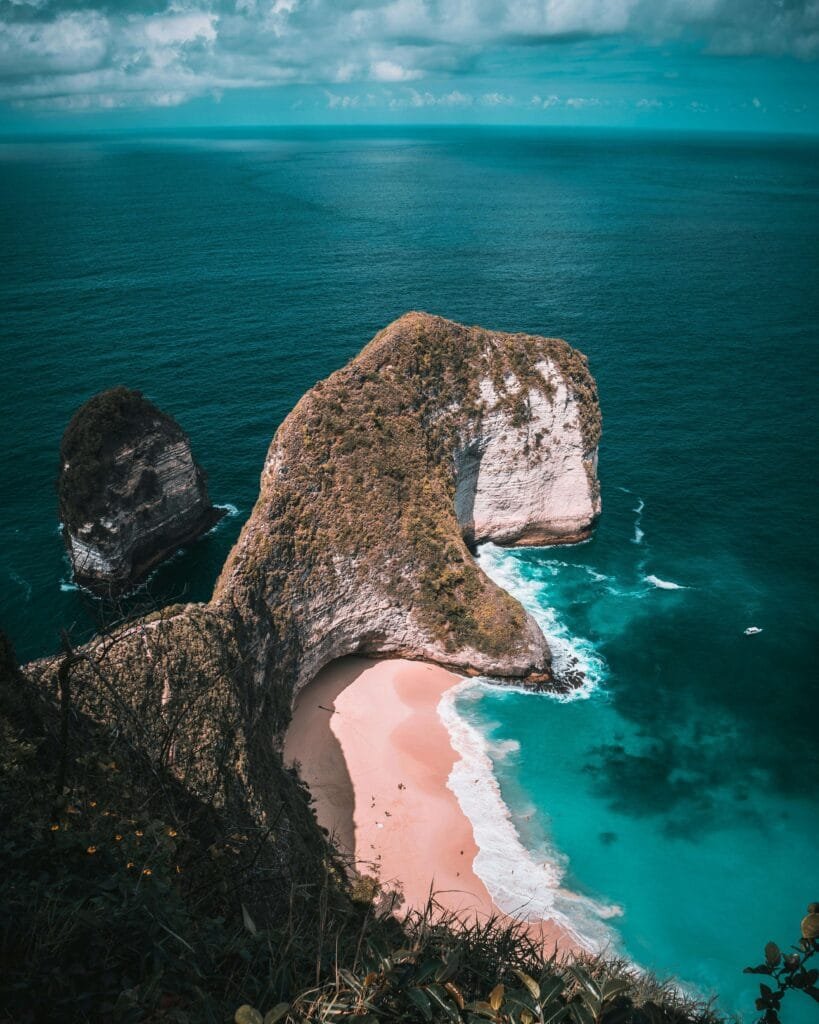
With its dramatic cliffs, turquoise waters, manta rays, and Instagram-famous viewpoints, Nusa Penida has become Bali’s “must-visit” day trip. But in 2025, the crowds have hit record highs.
Reports from Bali Expat and Indonesia Expat confirm that peak-season arrivals hit 10,000 to 12,000 visitors per day.
Yes, per day.
That means every sunrise brings the equivalent of a small stadium’s worth of tourists pouring onto an island with fewer than 60,000 residents.
The biggest challenge isn’t just how many people arrive – it’s how they visit.
Most tourists come on same-day return trips:
This creates huge pressure in a very tight time window. And because day-trippers often don’t stay for dinner, don’t book hotels, and rarely explore beyond the main loops, the island absorbs the strain without benefiting from sustainable long-term tourism income.
Infrastructure experiences the impact. Local communities carry the load. But the economic benefit evaporates by sunset.
Bali Expat notes that rapid development across the island is causing significant loss of dry farmland, replaced by cafés, villas, and parking areas.
That shift affects:
Meanwhile, fragile coastal ecosystems are feeling the squeeze. Heavy traffic to popular beaches has contributed to erosion, waste buildup, and disturbances to protected marine zones.
Hard data for 2025 is still being finalized, but we do know:
Nusa Penida is no longer the “quieter alternative to Bali.”
It’s now one of Indonesia’s most visited destinations.
Here’s where things get really wild.
Mainland Bali had 16.4 million visitors in 2024, spread across its 5,780 square kilometers. That works out to:
1,090 tourists per square kilometer
The Nusa Islands? A completely different universe.
Covering only 220.416 square kilometers, they hosted roughly 1 million visitors in 2024.
That equals:
4,537 tourists per square kilometer
In other words:
➡️ Nusa Penida is 4.5 times more “tourist dense” than Bali
➡️ And the gap is widening every year
If you’ve ever wondered why the roads feel tight, the viewpoints feel busy, or the ferries feel full – this is why.
Island residents, business owners, conservation groups, and long-term expats have been sounding the alarm for years.
Their concerns include:
Nusa Penida’s rapid rise has been incredible – but also overwhelming.
The good news? Awareness is growing fast.
Local communities, dive operators, beach bars, and eco-minded businesses are championing more sustainable tourism practices, including:
And of course… this is where you, the traveler, come in.
Read: 5 Steps to Mindful Travel: Unlock Joyful Adventures in Nusa Penida
Here are small actions that make a massive difference:
Nusa Penida doesn’t need fewer visitors – it needs better tourism habits.
Read:
The story of Nusa Penida tourist density in 2025 is both inspiring and alarming.
The island is booming.
The world has fallen in love with its beauty.
But the strain is real – and growing.
If we want Nusa Penida to stay magical for decades to come, now is the time for conscious travel, community support, and sustainable tourism decisions.
And yes… staying longer, eating local, and choosing responsible operators absolutely helps.